What Is Septic Tank Siphoning?
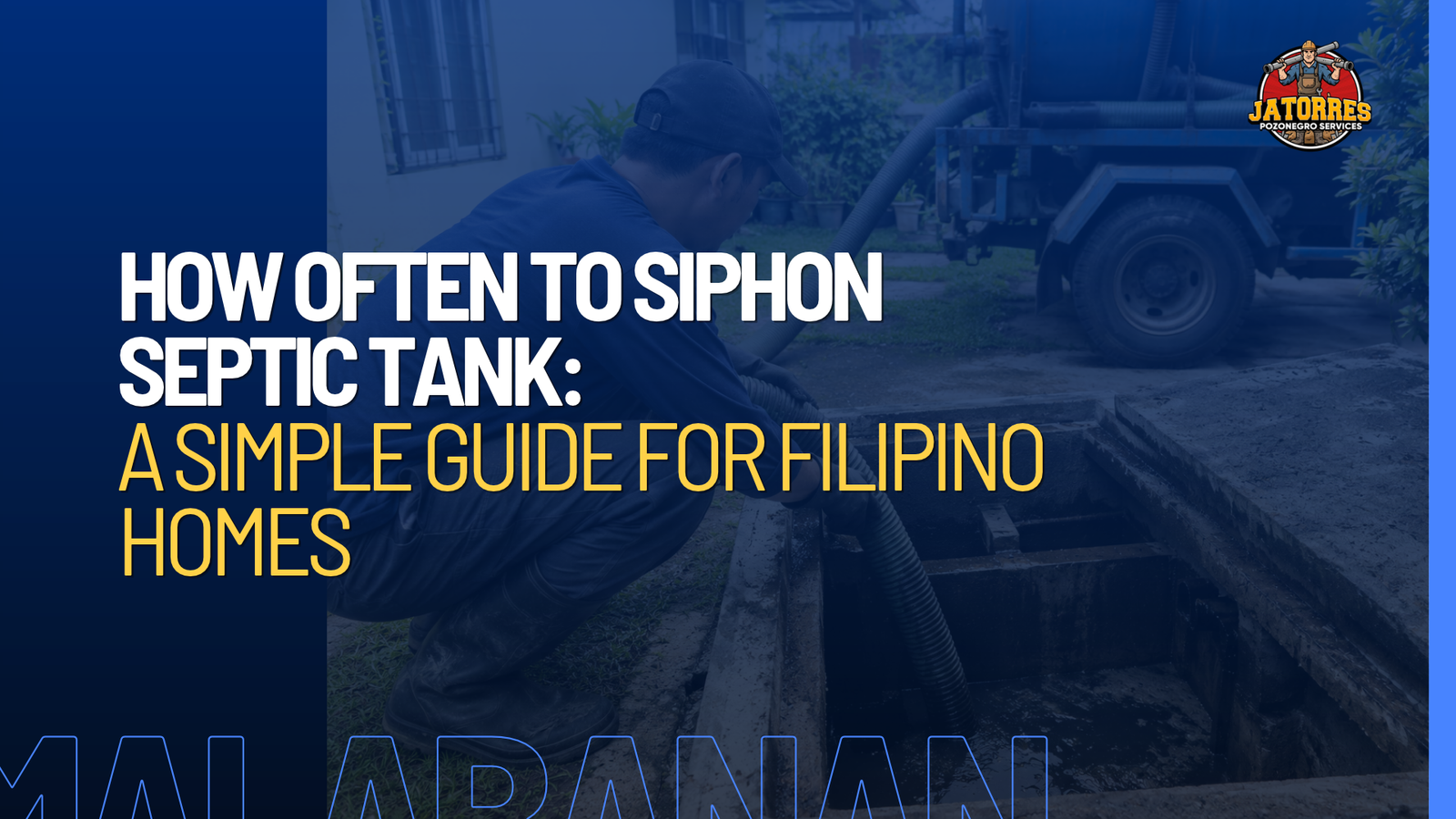
A properly functioning septic system is essential for managing wastewater safely and efficiently, especially in homes and commercial properties that are not connected to a centralized sewer system. Septic tank siphoning is the process of removing accumulated sludge, scum, and wastewater from a septic tank to keep the system operating efficiently. As wastewater flows into the tank, heavier solids settle at the bottom while lighter materials float to the top. Over time, these layers build up and reduce the tank’s capacity, making regular siphoning necessary.
Without routine maintenance, excessive waste accumulation can interfere with the septic tank’s ability to separate and process wastewater. As a result, property owners may experience unpleasant odors, slow drainage, recurring backups, or even septic overflow. Scheduling professional siphoning before these issues develop helps maintain the system and minimizes the risk of expensive repairs.
Professional septic tank siphoning uses specialized vacuum equipment to remove waste safely without damaging the septic system. Experienced technicians also inspect the tank during the service to identify signs of wear or developing problems that could require future attention.
Homeowners and business owners looking for dependable wastewater maintenance can learn more about professional solutions by visiting Malabanan Siphoning. Their services focus on septic tanks, drainage systems, and wastewater-related concerns, helping customers maintain reliable and sanitary waste disposal systems.
The Environmental Protection Agency (EPA) recommends regular septic system maintenance because it helps prevent system failures, protects nearby groundwater, and extends the lifespan of septic systems. Proper maintenance not only protects your property but also contributes to a cleaner environment.
How a Septic Tank Works
Understanding how a septic tank operates helps explain why septic tank siphoning is an important part of routine property maintenance.
Every time water flows down household or commercial drains, it enters the septic tank carrying wastewater and solid materials. Inside the tank, natural separation occurs. Solid waste settles at the bottom as sludge, oils and grease float to the surface as scum, and partially treated wastewater remains in the middle before flowing into the drain field.
Although naturally occurring bacteria help break down some organic waste, they cannot eliminate all accumulated materials. Sludge and scum continue building up each year, gradually reducing the tank’s available capacity.
As the tank fills with waste, it becomes less effective at separating solids from wastewater. If left untreated, excess solids may enter the drainage field, increasing the likelihood of blockages, poor drainage, and expensive repairs.
Routine siphoning removes accumulated sludge before it reaches problematic levels. This simple maintenance service helps preserve the septic system’s performance while reducing unnecessary strain on drainage components.
Professional technicians understand how to remove waste safely without disturbing the septic system’s structural integrity. Their experience allows them to identify warning signs early and recommend maintenance before larger issues develop.
Why Waste Accumulates Over Time
Many property owners wonder why septic tanks require cleaning if they are designed to process wastewater continuously. The answer lies in the natural limitations of the system.
Every household and commercial property generates waste that contains materials bacteria cannot completely decompose. Items such as grease, soap residue, food particles, paper products, and organic solids gradually accumulate inside the tank.
The amount of waste buildup depends on several factors, including:
- Household size
- Daily water usage
- Commercial activity
- Tank capacity
- Maintenance schedule
Even a well-functioning septic system will eventually require professional septic tank siphoning because waste accumulation is unavoidable.
Ignoring maintenance allows sludge to occupy more space inside the tank. Eventually, wastewater has less room to separate properly, increasing the risk of drainage problems and septic overflow.
Property owners can reduce these risks by following a regular maintenance schedule and working with experienced professionals. Businesses and homeowners can also explore the available septic tank and drainage services to find maintenance solutions suited to their property’s specific requirements.
Routine servicing provides a practical way to extend the life of the septic system while helping maintain proper wastewater flow and overall sanitation.
Why Septic Tank Siphoning Is Important
Preventing Septic Overflow
One of the primary reasons to schedule septic tank siphoning is to prevent septic overflow. When sludge occupies too much space inside the tank, wastewater cannot move through the system efficiently. Instead of flowing normally, wastewater may begin backing up into drains or collecting around the septic area.
Overflow can create unpleasant odors, unsanitary conditions, and costly property damage. In severe cases, untreated wastewater may affect nearby soil and surrounding areas, creating environmental concerns.
Routine siphoning helps avoid these situations by removing accumulated waste before it reaches critical levels. Rather than waiting until problems appear, regular maintenance allows technicians to restore the tank’s capacity and keep wastewater flowing properly.
According to the EPA’s septic system guidance (https://www.epa.gov/septic), preventive maintenance is one of the most effective ways to reduce the likelihood of septic failures and expensive repairs.
For both residential and commercial properties, investing in regular septic maintenance is far less costly than replacing a damaged septic system or repairing property affected by wastewater overflow.
Protecting Your Drainage System
Your septic tank works together with the property’s drainage system. When the tank becomes overloaded, wastewater cannot move efficiently through connected drainage pipes.
This added pressure may contribute to slow drains, recurring blockages, unpleasant smells, and increased wear on the drainage system.
Professional septic tank siphoning helps protect the entire wastewater system by restoring the septic tank’s capacity. With proper waste removal, wastewater can move more freely, reducing stress on drainage pipes and lowering the risk of recurring clogs.
Organizations such as the National Association of Sewer Service Companies (NASSCO) (https://www.nassco.org/) continue to emphasize the importance of routine inspection and maintenance in preserving the long-term performance of drainage and sewer systems.
Regular maintenance supports reliable drainage while helping property owners avoid unnecessary repair expenses.
Improving Sanitation and Hygiene
A clean and properly maintained septic system contributes to a healthier living and working environment. When waste remains inside a septic tank for too long, it can produce strong odors, attract pests, and increase the risk of wastewater backing up into the property. These situations can negatively affect both comfort and sanitation.
Routine septic tank siphoning helps remove accumulated sludge and waste before they create larger problems. By keeping the septic system functioning properly, property owners can reduce unpleasant smells and maintain cleaner surroundings.
Good sanitation is especially important for commercial establishments such as restaurants, schools, office buildings, apartment complexes, and other facilities that accommodate large numbers of people. A septic system failure can interrupt operations, create health concerns, and lead to expensive cleanup efforts.
Homeowners also benefit from regular maintenance because it protects their family’s health and preserves the condition of the property. Preventive care allows the septic system to continue operating efficiently throughout the year.
The Centers for Disease Control and Prevention (CDC) highlights the importance of proper wastewater management in protecting public health and reducing environmental contamination. Maintaining a healthy septic system is one practical way property owners can contribute to a cleaner and safer environment.
Common Signs Your Septic Tank Needs Siphoning
Slow Drainage Throughout the Property
One of the earliest warning signs that a septic tank requires attention is slow drainage. If sinks, floor drains, showers, or toilets begin draining more slowly than normal, accumulated sludge inside the septic tank may be reducing its efficiency.
Although slow drainage can sometimes result from localized pipe blockages, widespread drainage problems affecting multiple fixtures often indicate that the septic system is approaching capacity.
Professional septic tank siphoning removes accumulated waste before the problem develops into a complete system failure. Early maintenance helps restore normal wastewater flow while reducing unnecessary strain on connected drainage pipes.
Instead of waiting until wastewater begins backing up, property owners should arrange an inspection as soon as they notice persistent drainage issues.
Unpleasant Odors Around the Septic Area
Strong sewage odors around the septic tank, drainage area, or nearby outdoor spaces often indicate that the system requires maintenance.
A properly functioning septic system should contain wastewater without releasing persistent foul smells. As sludge builds up or wastewater flow becomes restricted, unpleasant odors may begin escaping through drains or around the septic tank.
Ignoring these odors may allow the problem to worsen over time. Regular septic tank siphoning helps eliminate excessive waste accumulation and supports proper wastewater containment.
If unusual smells continue despite routine cleaning around the property, professional inspection is recommended to determine whether the septic system requires servicing.
Property owners looking for reliable wastewater maintenance can visit Malabanan Siphoning to learn more about professional septic tank cleaning and drainage services.
Wastewater Backups
Wastewater backing up into toilets, floor drains, or other drainage fixtures is a clear indication that the septic system requires immediate attention.
Unlike a simple drain clog that affects one fixture, septic-related backups often involve multiple drainage points throughout the property. This happens because the septic tank can no longer process wastewater efficiently.
Professional technicians inspect the system to determine whether accumulated sludge, excessive waste, or other drainage issues are causing the backup. After evaluating the condition of the tank, they perform septic tank siphoning to remove waste and restore available capacity.
Prompt action helps minimize property damage and reduces the possibility of additional drainage problems.
Standing Water Near the Septic Tank
Standing water around the septic tank or drain field may indicate that wastewater is no longer flowing through the system properly.
Although heavy rainfall can sometimes produce temporary pooling, persistent wet areas accompanied by unpleasant odors or slow drainage often suggest septic system problems.
A full septic tank may force wastewater toward the surface instead of allowing it to move through the normal treatment process.
Scheduling professional maintenance as soon as these warning signs appear helps reduce the likelihood of larger repairs.
Property owners can explore the available professional siphoning services to determine the most appropriate solution for septic maintenance and wastewater concerns.
Benefits of Regular Septic Tank Maintenance
Extending the Lifespan of Your Septic System
A septic system represents a significant investment, and regular maintenance helps protect that investment. Routine septic tank siphoning removes accumulated sludge before it places unnecessary stress on the tank and drainage components.
Without maintenance, excessive waste buildup forces the system to work harder, increasing wear on pipes, baffles, and the drain field. Over time, these conditions may contribute to expensive repairs or premature system replacement.
Preventive maintenance keeps wastewater flowing efficiently while allowing technicians to identify developing issues during routine inspections.
Small maintenance appointments are generally more affordable than replacing major septic components after years of neglect.
Reducing Expensive Repairs
Emergency septic repairs often occur because warning signs were ignored. Slow drainage, recurring odors, or wastewater backups usually develop gradually before becoming major problems.
Routine septic tank siphoning helps property owners avoid these situations by removing accumulated waste before serious damage occurs.
Preventive maintenance may reduce expenses associated with:
- Emergency septic pumping
- Drainage repairs
- Property cleanup
- Wastewater damage restoration
- Drain field replacement
Scheduling maintenance at recommended intervals provides better long-term value than waiting until the septic system fails unexpectedly.
Supporting Environmental Safety
Proper septic maintenance benefits not only individual properties but also the surrounding environment.
When septic systems operate correctly, they help treat wastewater before it reaches nearby soil and groundwater. Neglected systems may increase the risk of contamination if wastewater escapes from damaged or overloaded components.
The Environmental Protection Agency (EPA) recommends regular septic inspections and maintenance to protect public health and nearby water resources. Following these recommendations helps property owners reduce environmental risks while maintaining reliable wastewater treatment.
Responsible wastewater management begins with routine care and timely professional servicing.
How Professional Septic Tank Siphoning Works
Initial Inspection
Every successful septic tank siphoning service begins with a thorough inspection. Before technicians start removing waste, they evaluate the overall condition of the septic system to identify any visible signs of damage, excessive sludge buildup, or drainage issues. This initial assessment helps determine the most effective cleaning approach while ensuring the service is completed safely.
During the inspection, technicians locate the septic tank, examine the access covers, and check for warning signs such as overflowing wastewater, strong odors, or unusually slow drainage. These observations provide valuable information about the condition of the system and whether additional maintenance may be required.
Routine inspections also help detect small issues before they become major repairs. Identifying developing problems early allows property owners to address them at a lower cost while extending the lifespan of the septic system.
Property owners looking for experienced wastewater maintenance professionals can visit Malabanan Siphoning to learn more about professional septic tank and drainage solutions for residential and commercial properties.
Waste Removal Process
After completing the inspection, technicians begin the septic tank siphoning process using specialized vacuum equipment designed to remove accumulated sludge, wastewater, and floating waste materials safely.
Unlike temporary cleaning methods, professional siphoning removes a significant amount of accumulated waste from the tank, restoring its available capacity and improving wastewater flow. This process helps the septic system operate more efficiently while reducing the risk of overflow and recurring drainage problems.
Experienced technicians follow proper waste handling procedures throughout the service. Using specialized equipment minimizes disruption to the property while ensuring waste is collected and transported responsibly.
Professional waste removal offers several advantages:
- Restores septic tank capacity
- Improves wastewater flow
- Reduces unpleasant odors
- Lowers the risk of septic overflow
- Helps maintain long-term system performance
Routine cleaning provides better long-term protection than waiting for visible drainage problems to appear.
System Evaluation After Cleaning
Once technicians complete the siphoning process, they perform a final evaluation of the septic system. This inspection confirms that the tank has been cleaned properly and allows technicians to identify any components that may require future monitoring.
The evaluation may include checking the condition of the tank, observing wastewater movement, and ensuring there are no obvious signs of structural concerns.
Receiving professional feedback after the cleaning helps property owners understand the current condition of their septic system and plan future maintenance accordingly.
Keeping maintenance records also makes it easier to schedule the next septic tank siphoning service before excessive waste accumulation occurs again.
Why Professional Siphoning Is Better Than DIY Solutions
Using Specialized Equipment
Many homeowners consider using household products or temporary methods when they notice slow drainage or unpleasant odors. While these approaches may seem convenient, they rarely address the actual cause of septic tank problems.
Professional septic tank siphoning requires specialized vacuum trucks and equipment capable of removing large volumes of accumulated sludge safely. Household tools and chemical cleaners cannot remove heavy waste deposits inside a septic tank.
Experienced technicians also understand how different septic systems operate. Their knowledge allows them to perform cleaning efficiently while reducing unnecessary stress on the system.
Choosing professional equipment provides more reliable results than relying on short-term solutions.
Safe Waste Handling
Septic waste requires proper handling because it contains materials that should be removed and disposed of responsibly. Professional siphoning companies follow established procedures to manage wastewater safely while minimizing environmental impact.
Improper handling may expose people and surrounding areas to unnecessary health risks. Professional technicians use protective equipment and approved waste management practices throughout the cleaning process.
Organizations such as the National Association of Sewer Service Companies (NASSCO) (https://www.nassco.org/) promote professional standards for maintaining sewer and wastewater infrastructure, reinforcing the importance of using trained specialists for drainage-related services.
Hiring experienced professionals helps ensure septic waste is managed responsibly from beginning to end.
Complete Cleaning Process
A professional septic tank siphoning service goes beyond simply removing liquid waste. Technicians remove accumulated sludge, floating scum, and other materials that reduce the tank’s capacity over time.
Complete cleaning helps restore the septic system’s efficiency while reducing the likelihood of recurring drainage issues.
Regular maintenance also supports better long-term performance by preventing excessive waste accumulation that can place additional strain on the entire wastewater system.
Homeowners and business owners interested in dependable wastewater maintenance can review the available professional siphoning services to find solutions that match their property’s needs.
Important Service Clarification
Septic Tank Siphoning Does Not Cover Faucet Water or Line Water Problems
It is important to understand the difference between a wastewater system and a water supply system.
Septic tank siphoning focuses exclusively on removing wastewater, sludge, and accumulated waste from septic tanks and drainage systems. These services also include drainage maintenance, septic cleaning, and main drain declogging.
However, Malabanan Siphoning does not provide repairs for faucet water issues, water supply lines, low water pressure, leaking faucets, or line water concerns. Those problems involve the property’s incoming water distribution system and require a licensed plumbing service that specializes in water supply repairs.
Knowing the difference helps property owners contact the appropriate service provider and receive faster solutions for their specific plumbing concern.
Choosing a Reliable Septic Tank Siphoning Company
Experience and Professional Equipment
Selecting a qualified provider for septic tank siphoning is an important step in maintaining a reliable wastewater system. A reputable company should have experienced technicians, specialized equipment, and a clear understanding of proper septic maintenance procedures.
Professional providers assess each property’s specific needs instead of applying the same approach to every situation. This allows them to recommend maintenance schedules based on tank size, property usage, and system condition.
Reliable equipment also contributes to better service quality. Modern vacuum trucks and drainage equipment improve cleaning efficiency while reducing unnecessary disruption during the maintenance process.
Comprehensive Drainage Services
A dependable company should offer solutions that cover a wide range of wastewater and drainage concerns. In addition to septic tank siphoning, many property owners also require assistance with clogged main drains, wastewater management, and drainage maintenance.
Choosing a provider that understands multiple aspects of drainage care simplifies long-term maintenance and gives property owners confidence that future issues can be handled by experienced professionals.
For trusted wastewater solutions, visit Malabanan Siphoning or explore their complete range of professional drainage and siphoning services.
Conclusion: Protect Your Property With Regular Septic Tank Siphoning
Regular septic tank siphoning is one of the most effective ways to keep your property’s wastewater system operating safely and efficiently. As sludge and waste naturally accumulate over time, routine maintenance helps prevent septic overflows, slow drainage, unpleasant odors, and costly emergency repairs. Rather than waiting for visible problems to appear, scheduling preventive cleaning allows your septic system to continue performing as intended while reducing the likelihood of unexpected disruptions.
Professional maintenance also protects your investment. A well-maintained septic tank places less strain on connected drainage components, extends the lifespan of the system, and minimizes the need for expensive repairs or replacements. Whether you own a residential home, commercial building, apartment complex, or industrial facility, routine septic care supports a cleaner, healthier, and more reliable environment.
It is equally important to understand the scope of professional siphoning services. Malabanan Siphoning specializes in septic tank cleaning, wastewater management, drainage maintenance, and main drain declogging. These services do not include repairs involving faucet water, household water supply lines, water pressure issues, or line water systems. Identifying the correct plumbing concern ensures you receive the most appropriate solution without unnecessary delays.
If your property shows signs of slow drainage, recurring wastewater backups, foul odors, or a septic tank that has not been serviced for several years, it may be time to schedule professional maintenance. Learn more about the company’s expertise by visiting Malabanan Siphoning or browse their complete range of professional siphoning and drainage services to find the right solution for your wastewater management needs.
Regular maintenance today can help prevent major drainage problems tomorrow. By partnering with experienced professionals and following a consistent service schedule, you can protect your property, improve sanitation, and keep your septic system operating efficiently for years to come.
Frequently Asked Questions About Septic Tank Siphoning
1. What is septic tank siphoning?
Septic tank siphoning is the process of removing accumulated sludge, scum, and wastewater from a septic tank using specialized vacuum equipment. This routine maintenance helps the septic system continue operating efficiently and reduces the risk of overflow, drainage issues, and costly repairs.
2. How often should a septic tank be siphoned?
The recommended schedule depends on several factors, including the size of the septic tank, the number of occupants, and daily wastewater usage. Most residential properties benefit from regular inspections and periodic siphoning to prevent excessive sludge buildup. A professional technician can recommend the appropriate maintenance interval based on your property’s specific needs.
3. What are the signs that my septic tank needs cleaning?
Common warning signs include:
- Slow drainage throughout the property
- Unpleasant sewage odors
- Wastewater backing up into drains or toilets
- Standing water near the septic tank or drain field
- Frequent drainage problems
If you notice any of these symptoms, arranging a professional inspection as soon as possible can help prevent more serious issues.
4. Does septic tank siphoning include repairs for faucet water or line water problems?
No. Septic tank siphoning does not include repairs involving faucet water, household water supply lines, low water pressure, leaking faucets, or line water systems. These concerns involve the property’s water distribution system and require a licensed plumbing service that specializes in water supply repairs.
5. Why should I hire a professional septic tank siphoning company?
Professional technicians use specialized equipment to remove accumulated waste safely and efficiently while minimizing the risk of damage to your septic system. They can also inspect the tank, identify developing issues, and recommend preventive maintenance that helps extend the life of your wastewater system.