What Is Septic Tank Cleaning?
A properly functioning septic system plays an essential role in managing wastewater from homes, commercial buildings, and other properties that rely on onsite sanitation systems. While many property owners rarely think about their septic tanks until a problem occurs, regular septic tank cleaning is one of the most important preventive maintenance services for keeping the entire drainage system operating efficiently. Ignoring routine cleaning can lead to overflowing tanks, unpleasant odors, wastewater backups, and costly repairs that could have been avoided.
Septic tank cleaning is the process of removing accumulated sludge, scum, and solid waste that naturally build up inside a septic tank over time. Although wastewater separates into different layers within the tank, solids do not disappear completely. As more waste enters the system each day, these materials continue to accumulate. Without regular cleaning, the tank eventually loses its ability to separate waste effectively, increasing the risk of blockages and system failure.
Routine maintenance benefits both residential and commercial properties. Homeowners can prevent unexpected plumbing emergencies, while businesses such as restaurants, apartment complexes, offices, and commercial establishments can reduce operational disruptions caused by drainage problems. Investing in preventive maintenance is often far less expensive than repairing a damaged septic system or cleaning up wastewater backups.
Working with experienced professionals also ensures that septic waste is handled responsibly. Companies like Malabanan Siphoning Services provide professional septic tank cleaning, siphoning, drain declogging, grease trap cleaning, and other wastewater maintenance services that help keep drainage systems functioning safely and efficiently.
Understanding how septic systems work and why regular cleaning is necessary is the first step toward protecting your property from expensive repairs and sanitation issues.
How a Septic Tank Works
A septic tank is designed to collect and treat wastewater before it moves into the property’s drainage field or disposal system. Every time wastewater enters the tank, it naturally separates into three layers. Solid materials settle at the bottom, forming sludge, while lighter materials such as oils and grease float to the surface, creating a scum layer. The relatively clear liquid remains in the middle and flows through the system for further treatment.
Although this process allows the septic system to operate continuously, the sludge and scum layers gradually become thicker over time. Natural bacteria inside the tank break down some organic waste, but they cannot eliminate everything. As a result, solids continue to accumulate until professional cleaning becomes necessary.
A well-maintained septic system supports efficient wastewater flow and reduces the likelihood of backups. However, when the tank becomes overloaded with sludge, wastewater has less space to settle properly. Solids may escape into other parts of the drainage system, increasing the risk of clogs and long-term damage.
Many homeowners mistakenly assume that septic systems require little or no maintenance because they operate underground and out of sight. In reality, regular inspections and cleaning are essential for maintaining reliable performance. Understanding how the system works helps property owners recognize why preventive maintenance is a smart investment.
Why Sludge Removal Is Necessary
Sludge removal is the most important part of septic tank cleaning because it restores the tank’s capacity to manage wastewater safely. As sludge continues to accumulate, it reduces the available space needed for proper separation of solids and liquids. Eventually, wastewater may no longer flow efficiently, creating pressure throughout the drainage system.
Excess sludge can contribute to several problems, including:
- Slow drainage throughout the property
- Unpleasant odors near the septic tank
- Wastewater backups
- Increased strain on drainage pipes
- Higher repair costs due to neglected maintenance
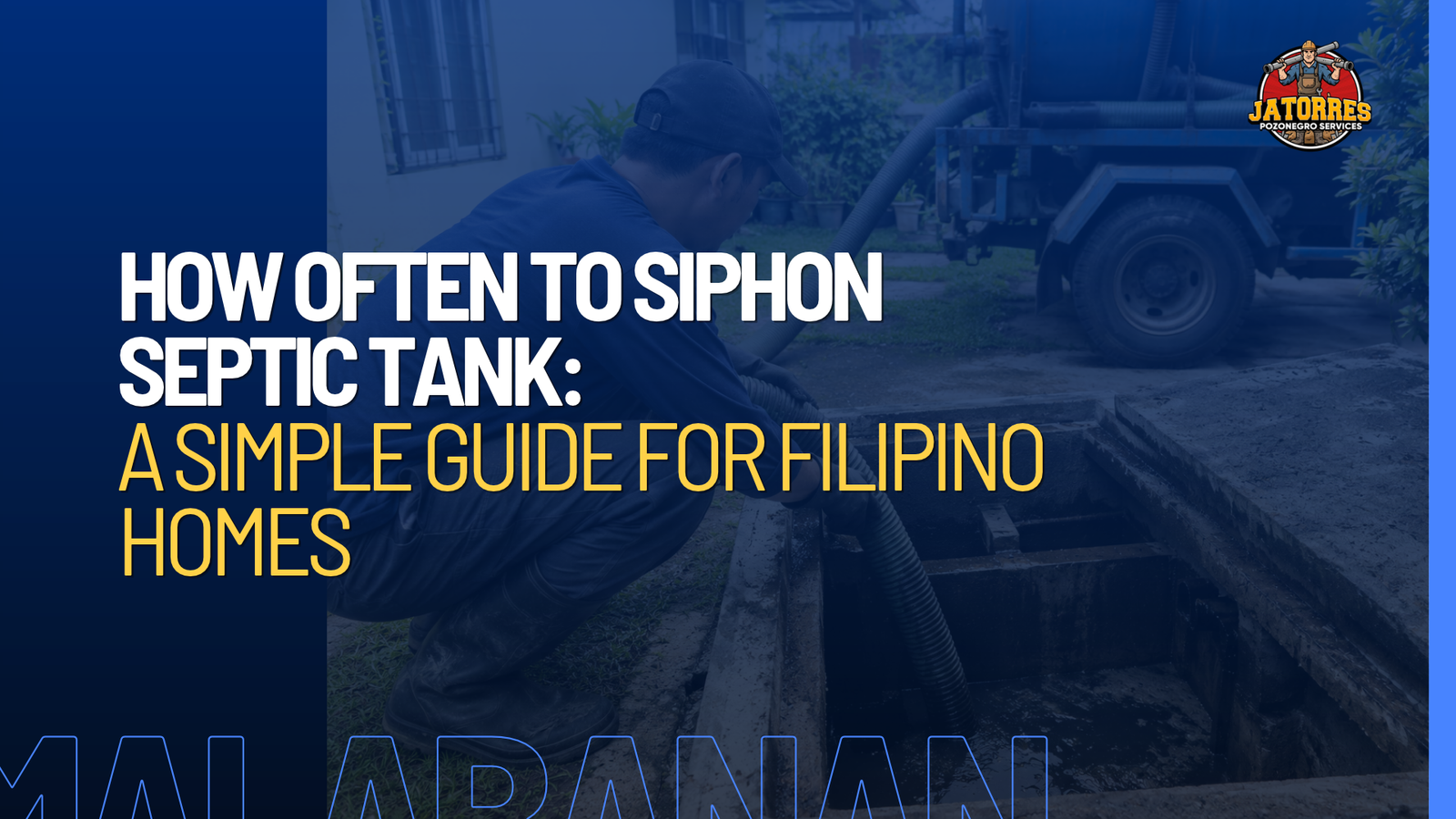
Removing accumulated sludge allows the septic tank to function as originally designed. Professional siphoning equipment safely extracts waste while minimizing disruption to the property.
Proper sludge removal also helps protect the surrounding environment. Wastewater that overflows or escapes because of neglected maintenance may contaminate nearby soil or groundwater. Organizations such as the Department of Environment and Natural Resources (DENR) (https://denr.gov.ph/) encourage responsible wastewater management to help protect public health and natural resources.
Routine sludge removal is far more cost-effective than repairing a failed septic system. Property owners who schedule regular maintenance can extend the lifespan of their septic tanks while reducing the likelihood of emergency service calls.
Why Regular Septic Tank Cleaning Matters
Preventing Septic Overflows
One of the biggest reasons property owners schedule septic tank cleaning is to prevent septic overflows. When sludge fills too much of the tank, wastewater has nowhere to go. Instead of flowing through the system properly, it may back up into drains or overflow from the septic tank itself.
Overflowing wastewater creates serious sanitation concerns. Aside from producing unpleasant odors, it can expose occupants to harmful bacteria and contaminate surrounding areas. Cleaning these situations often requires significantly more time and expense than routine preventive maintenance.
Regular cleaning keeps the tank operating efficiently by maintaining enough capacity for wastewater separation. This simple maintenance step helps reduce the risk of unexpected emergencies that can interrupt daily activities at home or in commercial establishments.
Property owners who maintain their septic systems also reduce the likelihood of costly structural repairs caused by prolonged wastewater leaks or backups.
Eliminating Unpleasant Odors
Persistent foul odors are often among the first warning signs that a septic tank requires attention. While septic systems naturally contain waste, properly functioning tanks should not continuously release strong odors around the property.
As sludge accumulates and wastewater flow becomes restricted, gases may begin escaping through drains, inspection covers, or nearby outdoor areas. These odors can become especially noticeable during warm weather or after heavy rainfall.
Regular septic tank cleaning helps eliminate many odor-related problems by removing accumulated waste before it begins affecting the system’s performance.
However, odors should never be ignored. They often indicate underlying issues that require professional inspection. In addition to septic cleaning, drainage experts can evaluate whether blockages within the wastewater system contribute to poor ventilation or restricted flow.
The Department of Health (DOH) (https://doh.gov.ph/) emphasizes proper sanitation and wastewater management as important components of maintaining healthy living environments. Keeping septic systems clean supports these public health goals while improving comfort for property occupants.
Extending the Life of Your Septic System
A septic system is a long-term investment, and like any essential part of a property, it performs best when it receives regular maintenance. One of the most effective ways to maximize its lifespan is through scheduled septic tank cleaning. Removing accumulated sludge before it reaches critical levels reduces stress on the entire wastewater system and helps prevent avoidable damage.
When a septic tank is neglected for years, excess solids can move beyond the tank and enter connected drainage components. Once this happens, cleaning alone may no longer solve the problem, and more extensive repairs or excavation could become necessary. Preventive maintenance minimizes these risks by keeping the system operating within its intended capacity.
Routine inspections also allow technicians to identify small concerns before they become expensive emergencies. Minor issues, such as early signs of blockage or excessive sludge buildup, are much easier and less costly to address than a complete system failure. This proactive approach saves property owners both time and money.
Scheduling maintenance with experienced professionals provides additional peace of mind. Companies like Malabanan Siphoning Services use specialized equipment to safely remove septic waste, inspect the condition of the tank, and recommend appropriate maintenance intervals based on the property’s usage. Instead of waiting for warning signs to appear, property owners can keep their wastewater systems dependable throughout the year.
A well-maintained septic system not only protects your property but also contributes to cleaner surroundings by reducing the risk of wastewater leaks and environmental contamination.
Warning Signs Your Septic Tank Needs Cleaning
Slow Draining Fixtures
Slow drainage is one of the earliest signs that a septic tank may be reaching capacity. If sinks, floor drains, toilets, or showers begin draining more slowly than usual, the problem could be related to accumulated sludge restricting the normal movement of wastewater through the septic system.
Although slow drainage can sometimes result from localized pipe blockages, widespread drainage issues affecting multiple fixtures often indicate that the septic tank requires professional attention. Ignoring these symptoms allows the problem to worsen over time, increasing the likelihood of wastewater backing up into the property.
Professional technicians can inspect the septic system to determine whether sludge buildup or drain pipe obstructions are responsible for the reduced flow. If blockages are present within the drainage system, specialized declogging services can restore proper wastewater movement without affecting your property’s water supply lines or faucets.
Property owners should avoid using harsh chemical drain cleaners as a temporary solution. These products rarely remove heavy sludge inside septic tanks and may even disrupt the beneficial bacteria that help break down organic waste. Professional cleaning remains the safest and most effective long-term solution.
Wastewater Backup
Few property issues are as disruptive as wastewater backing up into toilets, floor drains, or other drainage fixtures. This situation often signals that the septic system has reached a critical point and requires immediate professional service.
Wastewater backups can occur when excessive sludge prevents the tank from processing incoming waste efficiently. As wastewater continues entering the system, it has nowhere to go and begins reversing direction through the drainage network.
Aside from causing unpleasant odors and property damage, wastewater backups pose serious sanitation concerns because they may contain harmful bacteria and contaminants. Immediate cleanup and proper septic maintenance are necessary to restore safe conditions.
Professional technicians can inspect the septic tank, remove accumulated sludge, and evaluate whether additional services—such as main drain pipe declogging or drainage system cleaning—are needed to restore proper wastewater flow. Property owners can explore the available professional wastewater maintenance services to address septic cleaning, drain declogging, grease trap cleaning, excavation, and other drainage-related concerns.
Responding quickly to wastewater backups helps minimize repair costs and reduces the risk of more extensive damage to the property’s drainage system.
Persistent Bad Odors
A strong sewage smell around the septic tank, drainage areas, or inside the property should never be ignored. Persistent odors often indicate that wastewater is not moving through the system as intended or that sludge accumulation has reached excessive levels.
Bad odors can result from:
- An overloaded septic tank
- Excessive sludge buildup
- Poor wastewater flow
- Drainage system blockages
- Overflowing septic waste
Professional septic cleaning removes accumulated waste that contributes to these unpleasant smells while allowing technicians to inspect the system for additional issues.
Maintaining proper sanitation is an important aspect of protecting public health. According to the World Health Organization (WHO) (https://www.who.int/), effective sanitation systems help reduce environmental contamination and support healthier communities. Routine septic maintenance plays an important role in achieving these objectives by ensuring wastewater remains properly contained and managed.
Rather than masking odors with temporary solutions, property owners should schedule a professional inspection to identify and resolve the underlying cause.
What Happens During Professional Septic Tank Cleaning?
Septic Tank Inspection
Every professional septic tank cleaning service should begin with a thorough inspection. Before removing waste, technicians evaluate the condition of the septic tank to determine the level of sludge accumulation, identify potential damage, and assess the overall performance of the wastewater system.
The inspection process typically includes:
- Locating and opening the septic tank
- Measuring sludge and scum levels
- Checking for structural damage
- Examining wastewater flow
- Identifying signs of blockage or overflow
This evaluation allows technicians to recommend the most appropriate cleaning approach while identifying any maintenance concerns that should be addressed before they develop into larger problems.
An inspection also provides valuable information about how frequently the septic tank should be cleaned in the future. Factors such as household size, commercial usage, wastewater volume, and system capacity all influence maintenance schedules.
Starting with a complete inspection ensures that the cleaning process addresses the property’s actual needs rather than applying a one-size-fits-all solution.
Sludge Removal and Proper Waste Disposal
After the inspection, technicians use specialized vacuum equipment to remove sludge, scum, and accumulated waste from the septic tank. This process restores the tank’s storage capacity and allows wastewater to separate properly once normal operation resumes.
Professional sludge removal is much more effective than attempting temporary fixes because it completely removes accumulated waste instead of simply treating surface symptoms.
Responsible waste disposal is equally important. Licensed service providers follow proper environmental regulations when transporting and disposing of septic waste. This helps protect nearby communities, groundwater, and natural resources from contamination.
Choosing experienced professionals ensures that both the cleaning process and waste disposal are handled safely, efficiently, and in accordance with applicable environmental standards.
System Evaluation
After the sludge has been removed, technicians perform a final evaluation to confirm that the septic system is functioning properly. This step is just as important as the cleaning itself because it helps identify developing issues before they turn into costly repairs.
During the evaluation, professionals may inspect the condition of the septic tank walls, inlet and outlet pipes, baffles, and overall wastewater flow. If they notice signs of deterioration, cracks, or drainage restrictions, they can recommend corrective measures before these problems become more severe.
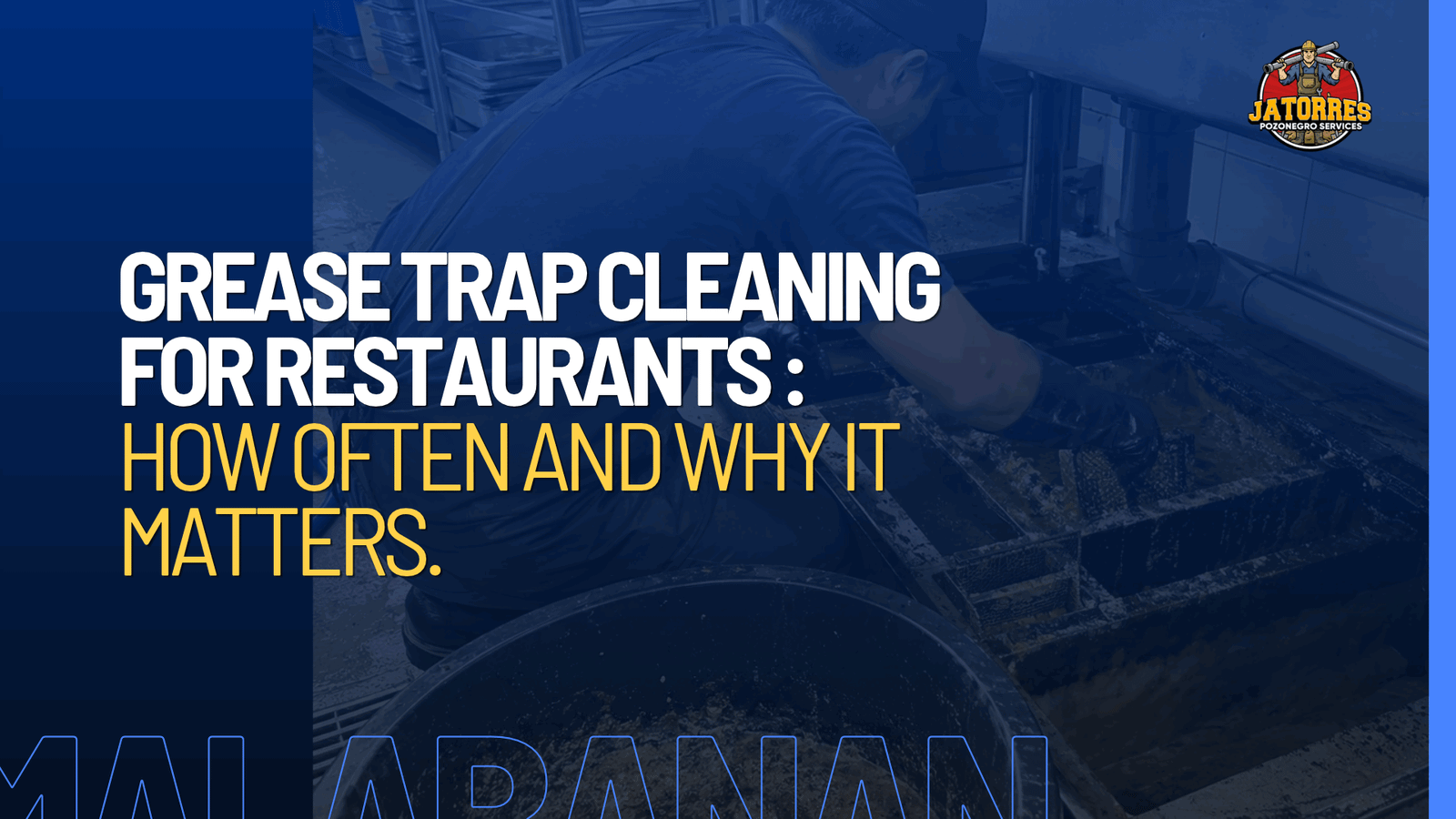
A complete system evaluation also helps determine whether additional drainage-related services may be beneficial. For example, if wastewater continues to drain slowly even after septic cleaning, technicians may recommend main drain pipe declogging to restore proper flow. Likewise, commercial kitchens may require grease trap cleaning to prevent grease accumulation from affecting the drainage system.
Property owners benefit from this proactive approach because it reduces the likelihood of unexpected emergencies. Rather than waiting for a complete system failure, regular inspections and evaluations help maintain reliable wastewater management throughout the year.
Benefits of Hiring Professional Septic Tank Cleaning Services
Proper Equipment and Safe Waste Handling
Professional septic tank cleaning requires specialized vacuum trucks, safety equipment, and trained technicians who understand how to manage wastewater efficiently. Attempting to clean a septic tank without the proper tools can be hazardous and may result in incomplete waste removal or environmental contamination.
Professional service providers use industrial-grade equipment capable of removing heavy sludge, scum, and accumulated waste thoroughly. They also follow proper handling procedures to ensure that septic waste is transported and disposed of responsibly.
Hiring experienced professionals offers several advantages:
- Thorough sludge removal
- Safe handling of wastewater
- Reduced health and environmental risks
- Proper inspection of the septic system
- Compliance with environmental regulations
By relying on qualified technicians, property owners can be confident that the work is completed safely and effectively.
Preventive Maintenance Saves Money
Many people only call for septic services after experiencing an emergency. Unfortunately, waiting until problems become severe often leads to significantly higher repair costs.
Preventive septic tank cleaning helps property owners avoid common issues such as:
- Septic tank overflows
- Wastewater backups
- Severe drain blockages
- Foul odors
- Damage to connected drainage systems
Routine maintenance costs far less than repairing structural damage or replacing major septic components. It also minimizes disruptions for households, businesses, restaurants, schools, apartment buildings, and commercial establishments that depend on reliable wastewater management every day.
Scheduling maintenance at recommended intervals is one of the most cost-effective investments a property owner can make.
Reducing Emergency Repairs
Emergency septic repairs are often expensive because they require immediate response, extensive cleanup, and, in some cases, excavation work. Many emergencies begin with warning signs that were overlooked, such as slow drainage, recurring odors, or minor wastewater backups.
Professional maintenance significantly reduces these risks by identifying problems early. During routine cleaning, technicians can detect excessive sludge buildup, developing drainage restrictions, or damaged septic components before they cause major failures.
Regular maintenance also helps preserve the condition of connected drainage pipes. When wastewater flows properly, there is less strain on the entire wastewater system, reducing the likelihood of costly emergency service calls.
Businesses and homeowners alike benefit from a proactive maintenance schedule that keeps operations running smoothly while avoiding unexpected expenses.
How Often Should a Septic Tank Be Cleaned?
Factors That Affect Cleaning Frequency
There is no single maintenance schedule that applies to every septic system. The ideal cleaning frequency depends on several important factors, including the size of the septic tank, the number of occupants using the system, and the amount of wastewater generated each day.
Factors that influence cleaning intervals include:
- Household size
- Commercial or residential use
- Daily water usage
- Septic tank capacity
- Type of waste entering the system
- Presence of grease-producing activities
Properties with higher wastewater volumes generally require more frequent maintenance than those with lighter usage. Restaurants, commercial kitchens, apartment buildings, and offices often generate larger amounts of wastewater than a typical household, making regular inspections especially important.
Instead of waiting for visible warning signs, property owners should consult experienced professionals who can recommend a maintenance schedule based on actual system usage.
Residential vs. Commercial Septic Systems
Residential and commercial septic systems often have different maintenance needs because they handle varying amounts of wastewater.
Residential septic tanks typically serve a single household, while commercial systems may support restaurants, office buildings, schools, warehouses, apartment complexes, or other facilities with significantly higher daily demand.
Commercial properties frequently require:
- More frequent septic tank cleaning
- Regular grease trap cleaning
- Drainage inspections
- Main drain pipe declogging
- Preventive wastewater maintenance
Routine servicing helps businesses avoid operational interruptions caused by drainage problems or wastewater backups.
Property owners looking for reliable septic maintenance, drain declogging, grease trap cleaning, excavation, and other wastewater management solutions can learn more through Malabanan Siphoning Services, where experienced technicians provide services tailored to residential and commercial drainage systems.
Common Mistakes That Damage Septic Systems
Ignoring Regular Maintenance
One of the biggest mistakes property owners make is assuming that a septic tank can operate indefinitely without maintenance. Because the system is buried underground, it is easy to forget about it until noticeable problems arise. Unfortunately, by the time slow drainage, unpleasant odors, or wastewater backups become apparent, sludge levels are often already excessive.
Routine septic tank cleaning removes accumulated waste before it affects the performance of the entire wastewater system. Skipping scheduled maintenance allows sludge and scum to continue building up, reducing the tank’s capacity and placing additional strain on connected drainage pipes.
Preventive maintenance offers several long-term advantages:
- Reduces the likelihood of emergency septic overflows
- Helps maintain efficient wastewater flow
- Extends the service life of the septic system
- Lowers long-term maintenance and repair costs
- Identifies potential issues before they become major problems
Rather than waiting for an emergency, scheduling regular inspections and cleaning helps protect both residential and commercial properties from avoidable disruptions.
Flushing Improper Waste
A septic system is designed to handle wastewater and biodegradable waste—not every material that people attempt to flush or wash down drains. Introducing inappropriate items into the system increases the risk of blockages and can interfere with the natural breakdown process inside the septic tank.
Materials that should never enter a septic system include:
- Wet wipes (even those labeled “flushable”)
- Sanitary products
- Disposable diapers
- Cooking grease and excessive oils
- Plastic materials
- Cigarette butts
- Paper towels
- Chemicals, paint, and solvents
- Cat litter
- Food scraps in large quantities
These materials do not decompose efficiently and can contribute to excessive sludge buildup or clog connected drainage pipes. Restaurants and commercial kitchens should pay particular attention to grease management, as accumulated fats and oils can create serious drainage issues if grease traps are not cleaned regularly.
Educating everyone who uses the property about proper waste disposal is one of the simplest ways to reduce unnecessary strain on a septic system.
Waiting Until Problems Become Severe
Another common mistake is delaying professional service after early warning signs appear. Slow drainage, recurring odors, or occasional backups are often dismissed as minor inconveniences, but they usually indicate that the septic system requires attention.
Ignoring these symptoms can lead to:
- Complete septic tank overflows
- Extensive wastewater backups
- Damage to drainage pipes
- Higher repair expenses
- Business interruptions for commercial establishments
Early intervention is always more affordable than emergency repairs. Routine inspections allow technicians to address developing issues before they require major restoration work or excavation.
If drainage problems persist, experienced professionals can determine whether the issue involves septic sludge buildup, main drain pipe declogging, grease accumulation, or another wastewater-related concern. Property owners can review the available professional services from Malabanan Siphoning to find solutions for septic tank cleaning, siphoning, drain declogging, grease trap cleaning, excavation, and other wastewater maintenance needs.
Why Choose Professional Septic Tank Cleaning Services
Experienced Technicians
Professional septic maintenance involves much more than simply removing sludge from a tank. Experienced technicians understand how septic systems operate, recognize early signs of failure, and recommend preventive solutions that help avoid future problems.
During every service, trained professionals evaluate the condition of the septic tank, inspect wastewater flow, and identify drainage issues that could affect long-term performance. Their knowledge allows them to detect problems that property owners may not notice during everyday use.
Professional service also reduces health and safety risks associated with handling wastewater. Specialized equipment and proper procedures ensure that septic waste is removed efficiently while protecting both the property and the surrounding environment.
Choosing qualified technicians means property owners receive comprehensive service rather than temporary solutions.
Reliable Wastewater Management Solutions
Reliable wastewater management begins with preventive maintenance. A properly maintained septic system supports cleaner surroundings, healthier sanitation conditions, and fewer unexpected drainage emergencies.
Whether maintaining a family home, apartment building, restaurant, office, school, or commercial facility, routine septic tank cleaning contributes to the long-term reliability of the property’s wastewater infrastructure.
Working with experienced providers such as Malabanan Siphoning Services gives property owners access to dependable solutions for septic tank cleaning, septic siphoning, main drain pipe declogging, grease trap cleaning, excavation, and other drainage-related services. Their professional approach helps reduce costly repairs while keeping wastewater systems operating efficiently.
Regular maintenance is not simply about solving existing problems—it is about preventing future ones before they disrupt your home or business.
Conclusion: Protect Your Septic System with Regular Cleaning
A properly maintained septic system is essential for keeping homes, businesses, and commercial properties safe, clean, and free from wastewater problems. Regular septic tank cleaning helps prevent sludge buildup, septic overflows, unpleasant odors, slow drainage, and expensive emergency repairs that can interrupt daily activities and damage property.
Preventive maintenance also extends the life of the septic system by allowing it to operate as designed. Routine inspections, professional sludge removal, and timely maintenance reduce unnecessary strain on drainage components while helping identify small issues before they become major concerns.
Ignoring early warning signs often leads to higher repair costs and avoidable sanitation risks. By scheduling professional maintenance at appropriate intervals, property owners can protect their investment and maintain reliable wastewater management throughout the year.
Whether you own a residential property, commercial establishment, restaurant, apartment complex, or office building, working with experienced professionals makes a significant difference. Malabanan Siphoning Services provides reliable septic tank cleaning, septic siphoning, drain declogging, grease trap cleaning, excavation, and related wastewater maintenance services designed to keep drainage systems functioning efficiently.
Regular maintenance today can prevent major problems tomorrow, making septic tank cleaning one of the smartest long-term investments for any property owner.
Frequently Asked Questions
1. How often should a septic tank be cleaned?
Most residential septic tanks should be professionally cleaned every 3 to 5 years, although the exact schedule depends on household size, tank capacity, and daily wastewater usage. Commercial properties often require more frequent maintenance due to higher wastewater volumes.
2. What are the signs that a septic tank is full?
Common warning signs include:
- Slow-draining sinks, toilets, and floor drains
- Persistent foul odors near the septic tank
- Wastewater backups
- Gurgling sounds from drains
- Overflowing wastewater around the septic area
If you notice any of these symptoms, schedule a professional inspection as soon as possible.
3. Can I clean my septic tank myself?
Professional septic tank cleaning is strongly recommended. The process requires specialized vacuum equipment, proper waste handling procedures, and safe disposal methods. Attempting to clean a septic tank without the necessary training can be hazardous and may result in incomplete waste removal.
4. How long does septic tank cleaning take?
The time required depends on the tank’s size, sludge level, and accessibility. In many cases, a standard residential septic tank cleaning can be completed within a few hours, while larger commercial systems may require additional time.
5. Why is professional septic tank cleaning important?
Professional septic tank cleaning removes accumulated sludge, restores proper wastewater flow, helps prevent overflows and backups, extends the lifespan of the septic system, and ensures waste is disposed of according to environmental regulations. Routine maintenance also reduces the risk of costly emergency repairs.