Running a restaurant requires more than serving delicious food and maintaining excellent customer service. Behind every successful food establishment is a strong commitment to cleanliness, safety, and proper waste management. One important maintenance task that restaurant owners should never overlook is grease trap cleaning.
Every commercial kitchen produces fats, oils, and grease (FOG) from daily activities such as cooking, washing dishes, and cleaning kitchen equipment. While small amounts may seem harmless, grease can accumulate inside drainage systems over time. This buildup can cause unpleasant odors, slow drainage, pipe blockages, and wastewater problems that can disrupt restaurant operations.
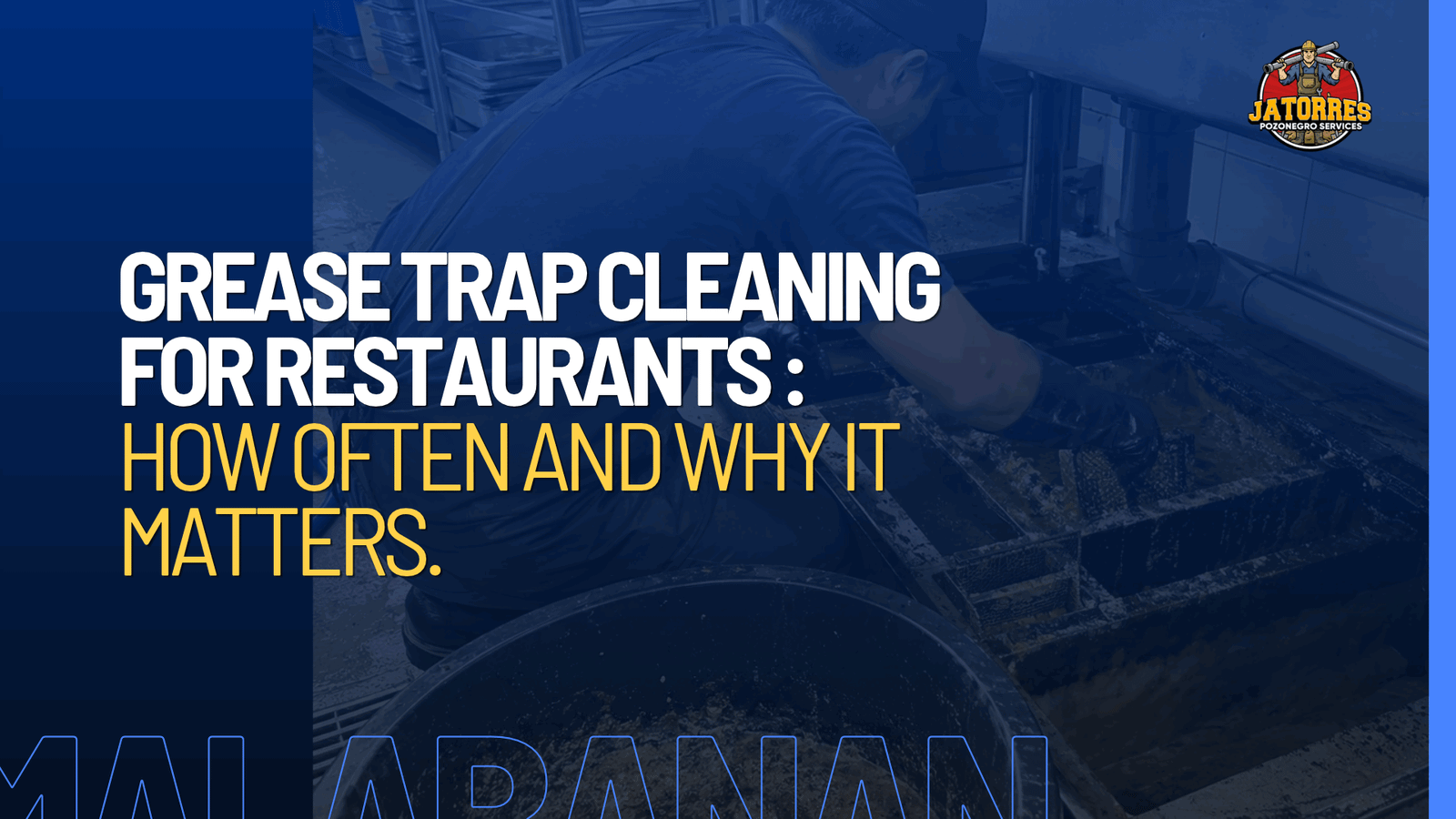
A grease trap works by collecting grease and solid waste before they enter the main drainage system. However, grease traps are not designed to hold waste permanently. Without regular maintenance, they can become overloaded and lose their ability to function properly.
Regular grease trap cleaning helps restaurants maintain cleaner kitchens, reduce plumbing problems, and support responsible wastewater management. It is an important part of preventive maintenance that protects both the business and the surrounding environment.
For restaurants, commercial establishments, and property owners looking for dependable sanitation solutions, Malabanan Siphoning provides professional services that help maintain efficient waste systems and prevent costly drainage issues.
What Is a Grease Trap and How Does It Work?
A grease trap is a plumbing device designed to separate fats, oils, grease, and food particles from wastewater before they reach drainage pipes or sewer systems.
Commercial kitchens produce large amounts of grease because of activities such as:
- Frying food
- Washing cooking equipment
- Cleaning dishes
- Preparing meat and oily ingredients
When grease enters drainage pipes, it can cool down and harden. Over time, layers of grease stick to the inside of pipes, reducing water flow and increasing the risk of blockages.
A grease trap slows down wastewater movement, allowing grease and solid materials to separate from water. The trapped grease remains inside the unit while cleaner water continues through the drainage system.
However, the grease collected inside the trap must be removed regularly. If it is ignored, the trap can become full and stop working effectively.
This is why scheduled grease trap cleaning is necessary for restaurants that want to maintain proper kitchen operations.
Why Grease Trap Cleaning Is Important for Restaurants
Restaurants deal with high volumes of food preparation every day. Because of this, their drainage systems experience more stress compared to residential properties.
Regular grease trap maintenance provides several important benefits.
Prevents Drainage Problems
One of the biggest advantages of professional grease trap maintenance is preventing drainage issues before they become serious.
When grease accumulates inside the trap, wastewater may begin draining slowly. Eventually, grease can move into the plumbing system and create stubborn blockages.
Common signs of grease-related drainage problems include:
- Slow-draining sinks
- Bad odors coming from drains
- Water backups
- Grease overflow
- Unusual kitchen smells
These issues can interrupt restaurant operations and create an unpleasant environment for employees and customers.
Regular grease trap cleaning removes accumulated grease and waste, allowing the system to continue working efficiently.
Helps Restaurants Maintain Better Sanitation
Cleanliness is one of the most important responsibilities of any food establishment. Customers expect restaurants to maintain safe and hygienic environments.
A neglected grease trap can create unpleasant smells and contribute to poor kitchen conditions. As grease and organic waste build up, bacteria and odors may become more difficult to control.
Proper maintenance helps restaurants maintain cleaner working areas and supports better sanitation practices.
The U.S. Food and Drug Administration Food Code provides guidance for food establishments regarding safe food handling, sanitation, and operational practices.
Following proper cleaning routines and maintaining equipment regularly can help restaurants create safer environments for both employees and customers.
How Grease Trap Cleaning Helps Restaurants Stay Compliant
Restaurants must follow sanitation and waste management practices to protect public health and maintain responsible operations.
Although specific requirements vary depending on location, many food establishments are expected to properly manage fats, oils, and grease to prevent drainage and wastewater problems.
Regular grease trap cleaning supports compliance by ensuring that grease buildup is controlled before it creates larger issues.
Reduces Wastewater Problems
When large amounts of grease enter drainage systems, they can contribute to pipe blockages and wastewater challenges.
According to the Environmental Protection Agency’s information about fats, oils, and grease management, proper grease control helps reduce sewer system problems and supports better wastewater management.
For restaurants, this means proper grease disposal and scheduled cleaning are important parts of responsible business operations.
Protects the Environment
Grease management is not only about protecting restaurant plumbing. It also helps reduce environmental impacts.
When grease enters wastewater systems in large amounts, it can create problems for sewer infrastructure and wastewater treatment processes.
Proper grease trap cleaning helps reduce the amount of grease released into drainage systems and supports more responsible waste management practices.
Restaurants that maintain their grease traps regularly contribute to cleaner wastewater systems and a healthier environment.
Signs Your Restaurant Needs Grease Trap Cleaning
Many restaurant owners wait until they experience a serious problem before scheduling maintenance. However, identifying early warning signs can help prevent expensive repairs.
Strong Odors Around the Kitchen
One of the first signs of grease buildup is an unpleasant smell coming from sinks, drains, or kitchen areas.
As grease and food waste accumulate inside the trap, odors become stronger and more difficult to remove.
Slow Drainage
If sinks or washing areas drain slower than usual, grease buildup may already be affecting the system.
Slow drainage should not be ignored because it can eventually lead to complete blockages.
Visible Grease Buildup
If grease is visible inside or around the grease trap area, professional cleaning may be necessary.
Surface cleaning is not enough because grease can accumulate deeper inside the system.
Frequent Plumbing Issues
Repeated drainage problems often indicate that the grease trap is not being maintained properly.
Scheduling regular cleaning can prevent recurring issues and reduce emergency repair costs.
How Often Should Restaurants Schedule Grease Trap Cleaning?
The frequency of grease trap cleaning depends on several factors, including:
- Restaurant size
- Amount of food preparation
- Type of cooking methods used
- Grease production levels
- Trap capacity
A restaurant that serves fried foods every day may require more frequent cleaning compared to a smaller establishment with limited grease production.
Instead of waiting for problems to appear, restaurant owners should create a preventive maintenance schedule.
Regular inspections help determine when cleaning is necessary and ensure the grease trap continues functioning properly.
Professional Grease Trap Cleaning vs. DIY Cleaning
Some restaurant owners attempt to clean grease traps themselves to save money. While basic maintenance may help temporarily, professional cleaning provides a more complete solution.
Removes Hidden Grease and Waste
Grease traps collect more than just surface grease. They also contain food particles, sludge, and solid waste that require proper removal.
Professional technicians use appropriate equipment to remove buildup and restore the effectiveness of the system.
Prevents Recurring Problems
DIY cleaning may only address visible grease. Professional maintenance focuses on removing deeper buildup that can continue causing issues.
Restaurants that need reliable wastewater maintenance can explore professional siphoning and sanitation services designed to help maintain cleaner and more efficient systems.
Benefits of Regular Grease Trap Maintenance
Keeps Restaurant Operations Running Smoothly
A blocked drainage system can interrupt kitchen activities and negatively affect customer service.
Regular maintenance reduces the risk of unexpected problems.
Creates a Cleaner Workplace
A properly maintained grease trap helps reduce odors and improves overall kitchen conditions.
Extends Plumbing System Lifespan
Preventing grease buildup reduces pressure on drainage pipes and helps avoid expensive plumbing repairs.
Saves Money Over Time
Preventive maintenance is usually more affordable than emergency repairs caused by severe blockages.
Common Grease Trap Cleaning Mistakes Restaurants Should Avoid
Waiting Until Problems Occur
Many businesses only schedule cleaning after experiencing drainage failures. Preventive maintenance is a better approach because it addresses problems before they become serious.
Pouring Grease Directly Into Drains
Large amounts of grease should never be poured into sinks or drains. Even with a grease trap, excessive grease can overload the system.
Ignoring Professional Maintenance
A grease trap may appear functional while still containing significant buildup. Regular professional cleaning ensures waste is properly removed.
Better Grease Management Practices for Restaurants
Restaurants can reduce grease-related problems by following proper daily habits.
Helpful practices include:
- Removing food scraps before washing dishes
- Collecting used cooking oil properly
- Training employees about grease disposal
- Avoiding unnecessary grease discharge
- Maintaining regular cleaning schedules
Small daily actions combined with professional maintenance can significantly improve wastewater system performance.
The World Health Organization food safety resources also emphasize the importance of proper hygiene and safe practices within food-related operations.
Why Professional Grease Trap Cleaning Matters
Restaurants need reliable maintenance because plumbing and wastewater issues can affect daily business operations.
Professional grease trap cleaning ensures that accumulated grease, oils, and waste are properly removed. This helps restaurants maintain cleaner facilities and reduce the possibility of unexpected drainage problems.
Working with experienced professionals also provides restaurant owners with confidence that their wastewater systems are being properly maintained.
A clean grease trap is not only a maintenance requirement. It is an investment in safer operations, better sanitation, and long-term business efficiency.
Conclusion
Regular grease trap cleaning plays an essential role in helping restaurants maintain sanitation, prevent drainage problems, and support responsible wastewater management.
Grease buildup may seem like a minor issue at first, but ignoring maintenance can lead to unpleasant odors, blocked pipes, costly repairs, and operational disruptions.
By following a consistent maintenance schedule and working with trusted professionals, restaurants can keep their grease traps functioning properly and maintain cleaner kitchen environments.
Proper grease management protects the restaurant, customers, employees, and the surrounding community.
Frequently Asked Questions
What is grease trap cleaning?
Grease trap cleaning is the process of removing accumulated fats, oils, grease, and solid waste from a grease trap to maintain proper operation.
Why is grease trap cleaning important for restaurants?
It helps prevent clogged drains, reduce odors, maintain sanitation, and support proper wastewater management.
How often should restaurants clean grease traps?
Cleaning frequency depends on restaurant size, kitchen activity, and grease production. High-volume restaurants usually require more frequent maintenance.
What happens if a grease trap is not cleaned?
A neglected grease trap can cause bad odors, slow drainage, backups, and serious plumbing problems.
Can restaurant owners clean grease traps themselves?
Basic maintenance is possible, but professional cleaning is recommended to completely remove grease and waste buildup.