Office plumbing problems can disrupt an entire workplace. A clogged drain, overflowing toilet, foul odor, or slow wastewater flow may seem like a minor inconvenience at first, but these issues can quickly affect employees, customers, productivity, and sanitation. That is why office plumbing maintenance should be treated as routine property care rather than something businesses only consider during an emergency.
Regular maintenance helps identify problems before they become expensive repairs. It also keeps drainage systems functioning properly and creates a cleaner environment for everyone using the building. For businesses that need professional assistance, Malabanan Siphoning Philippines provides services related to septic tank siphoning, drain cleaning, drain declogging, and other drainage needs.
Why Office Plumbing Maintenance Matters
An office plumbing system handles wastewater every working day. Employees use toilets, sinks, floor drains, and other plumbing fixtures throughout the day, creating constant demand on drainage infrastructure.
Without regular maintenance, grease, debris, sediment, and other waste can accumulate inside drainage pipes. Eventually, restricted flow may develop into a serious blockage or wastewater backup.
A consistent office plumbing maintenance program can help businesses:
- Reduce unexpected plumbing emergencies
- Identify drainage problems early
- Maintain proper sanitation
- Minimize operational disruptions
- Extend the useful life of plumbing components
- Reduce expensive emergency repair requirements
For commercial properties, prevention is usually easier than dealing with a major plumbing failure during business hours.
Common Plumbing Problems in Offices
Office buildings can experience several types of plumbing problems. Some are caused by aging infrastructure, while others result from improper waste disposal or insufficient maintenance.
Common warning signs include slow drains, recurring toilet blockages, unpleasant sewage odors, gurgling sounds, standing wastewater, and water backing up through floor drains.
A recurring blockage deserves particular attention. If a drain repeatedly becomes clogged after being cleared, there may be deeper buildup or another underlying drainage issue.
Businesses should avoid treating recurring symptoms as isolated incidents. Professional assessment can determine whether the problem requires cleaning, declogging, or another form of drainage maintenance.
Schedule Regular Drain Cleaning
Drain cleaning is an important component of office plumbing maintenance. Over time, drainage pipes can collect grease, dirt, soap residue, sediment, and other materials.
Regular cleaning helps remove accumulated debris before it restricts wastewater flow. It can be particularly useful in offices with large numbers of employees or facilities that experience heavy daily use.
Instead of waiting for a drain to become completely blocked, property managers can include professional drain cleaning in a scheduled maintenance plan.
You can review the available Malabanan Siphoning Philippines services to determine which drainage maintenance solutions may be appropriate for your property.
Address Clogs Before They Become Backups
A minor clog can become a major problem if ignored. Slow drainage is often an early indication that wastewater cannot move through a pipe as efficiently as it should.
When a blockage becomes severe, wastewater may back up into sinks, toilets, floor drains, or other areas of the property. This can create unpleasant odors and sanitation concerns while potentially interrupting normal business operations.
Professional drain declogging can remove existing obstructions and restore proper wastewater flow. Businesses should consider professional assistance when plunging or other basic measures fail to resolve a recurring problem.
Septic Tank Maintenance for Offices
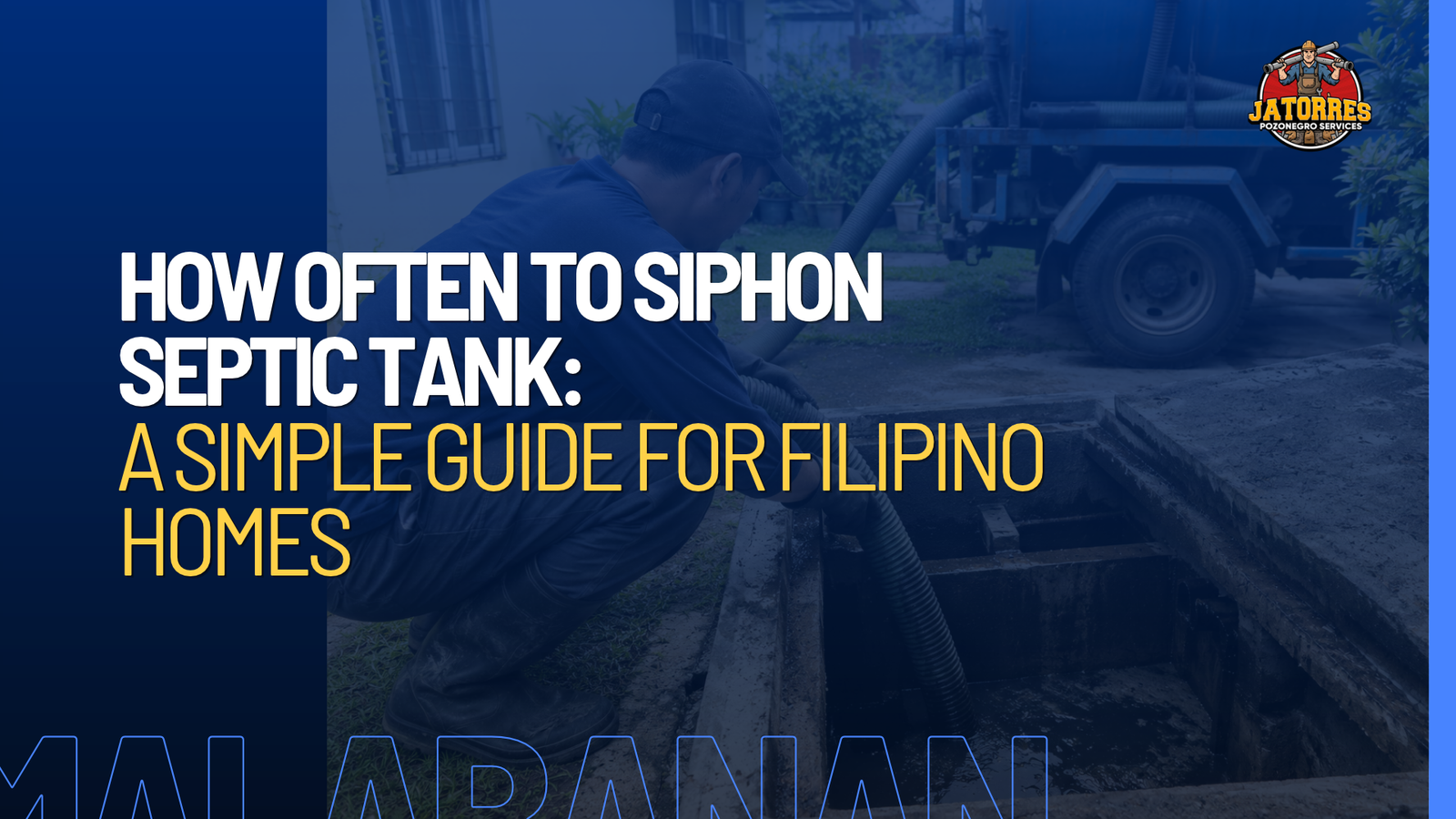
Some offices and commercial properties rely on septic systems rather than a municipal sewer connection. These systems require regular attention because solid waste gradually accumulates inside the septic tank.
When a septic tank becomes overloaded, businesses may experience foul odors, slow drainage, wastewater backups, or wet areas around the system.
The U.S. Environmental Protection Agency (EPA) recommends regular septic system inspection and maintenance to help prevent failures. Businesses can consult the EPA’s septic system guidance for general information about responsible septic care.
Professional septic tank siphoning can remove accumulated sludge and help maintain proper system capacity.
Teach Employees Proper Drainage Habits
Good plumbing maintenance is not only the responsibility of building maintenance personnel. Employees also influence how well an office drainage system performs.
Businesses should encourage employees to avoid flushing inappropriate materials or disposing of waste through sinks and drains. Paper towels, wipes, sanitary products, food waste, and other unsuitable materials can contribute to blockages.
Simple workplace reminders can reduce unnecessary strain on the drainage system.
A small amount of employee awareness can make a significant difference when hundreds of people use the same facilities every week.
Watch for Early Warning Signs
One of the most effective ways to improve office plumbing maintenance is to respond to warning signs quickly.
Property managers should pay attention to:
- Repeatedly slow drains
- Sewage or wastewater odors
- Gurgling pipes
- Recurring toilet clogs
- Water backing up from floor drains
- Unusual wet areas near drainage infrastructure
These signs should not simply be ignored because the plumbing still appears functional. Early intervention can prevent a small drainage problem from developing into a disruptive emergency.
Create a Preventive Maintenance Schedule
Businesses should create a maintenance schedule based on building usage, plumbing age, drainage conditions, and previous problems.
A practical schedule can include routine inspections, drain cleaning when appropriate, septic tank maintenance for properties with septic systems, and prompt investigation of recurring blockages.
Keeping records is also useful. Property managers can document previous service dates, recurring problem areas, and maintenance recommendations.
This information makes it easier to identify patterns and plan future maintenance instead of reacting to every issue separately.
Choose Professional Plumbing and Drainage Support
DIY solutions may be appropriate for minor problems, but commercial drainage systems can be more complicated than residential plumbing. Repeated blockages or wastewater backups may indicate an underlying issue that requires professional equipment and assessment.
Professional maintenance can help businesses determine whether a problem involves an existing blockage, accumulated debris, septic tank capacity, or another drainage concern.
For businesses seeking professional drainage assistance, Malabanan Siphoning Philippines offers services designed to address septic and drainage maintenance needs.
Protect Workplace Sanitation
Plumbing maintenance is closely connected to workplace hygiene. A wastewater backup or overflowing drainage fixture can create unpleasant conditions and interfere with normal operations.
The Philippine Department of Health provides public health and sanitation resources through its official website. Maintaining functional drainage and wastewater systems is an important part of keeping commercial environments clean and suitable for employees and visitors.
Businesses should therefore view plumbing maintenance as part of broader facility management rather than an isolated repair expense.
Conclusion
Effective office plumbing maintenance helps businesses prevent avoidable drainage problems, protect workplace sanitation, and reduce operational disruptions. Regular drain cleaning, timely declogging, appropriate septic tank maintenance, employee awareness, and routine inspections can all contribute to a healthier and more reliable plumbing system.
The most important principle is simple: do not wait for a major backup before paying attention to your drainage system. Preventive maintenance allows businesses to identify potential problems earlier and address them before they interfere with daily operations.
For professional septic and drainage services in the Philippines, visit Malabanan Siphoning Philippines or explore its available services.
Frequently Asked Questions
How often should an office schedule plumbing maintenance?
The ideal frequency depends on the building’s size, number of occupants, plumbing condition, and history of drainage problems. Properties with heavy usage may require more frequent professional attention.
What are the signs an office drain needs professional service?
Slow drainage, recurring clogs, foul sewage odors, gurgling sounds, and wastewater backups are common warning signs that professional assessment may be needed.
Does office plumbing maintenance include septic tank siphoning?
For offices that use septic systems, septic tank siphoning can be an important part of their overall maintenance program. The appropriate schedule depends on tank size, usage, and accumulated solids.
Can employees help prevent office plumbing problems?
Yes. Employees can help by disposing of waste correctly and avoiding flushing or pouring materials that can cause blockages.
Why is preventive maintenance better than emergency repairs?
Preventive maintenance allows businesses to identify potential problems before they cause backups, sanitation issues, or significant operational disruption.