A properly working septic system is something many homeowners do not think about until a problem appears. Most of the time, septic tanks work quietly underground, handling wastewater and keeping properties clean and sanitary. However, like any important part of a home’s infrastructure, they require regular attention to continue working properly.
One of the most important maintenance tasks for properties using septic systems is septic tank siphoning. This process removes accumulated waste and sludge from the tank, helping prevent unpleasant odors, backups, and potential damage to the system.
Many homeowners ask, “How often should I schedule septic tank siphoning?” The answer depends on several factors, including household size, water usage, tank capacity, and how much solid waste enters the system. While some properties may require service every few years, others may need more frequent maintenance due to heavier usage.
Regular maintenance is not only about avoiding emergencies. It is also about protecting your property, maintaining proper sanitation, and preventing expensive repairs in the future. Homeowners looking for reliable solutions can explore professional services from Malabanan Siphoning, which helps properties maintain cleaner and properly functioning septic systems.
What Is Septic Tank Siphoning?
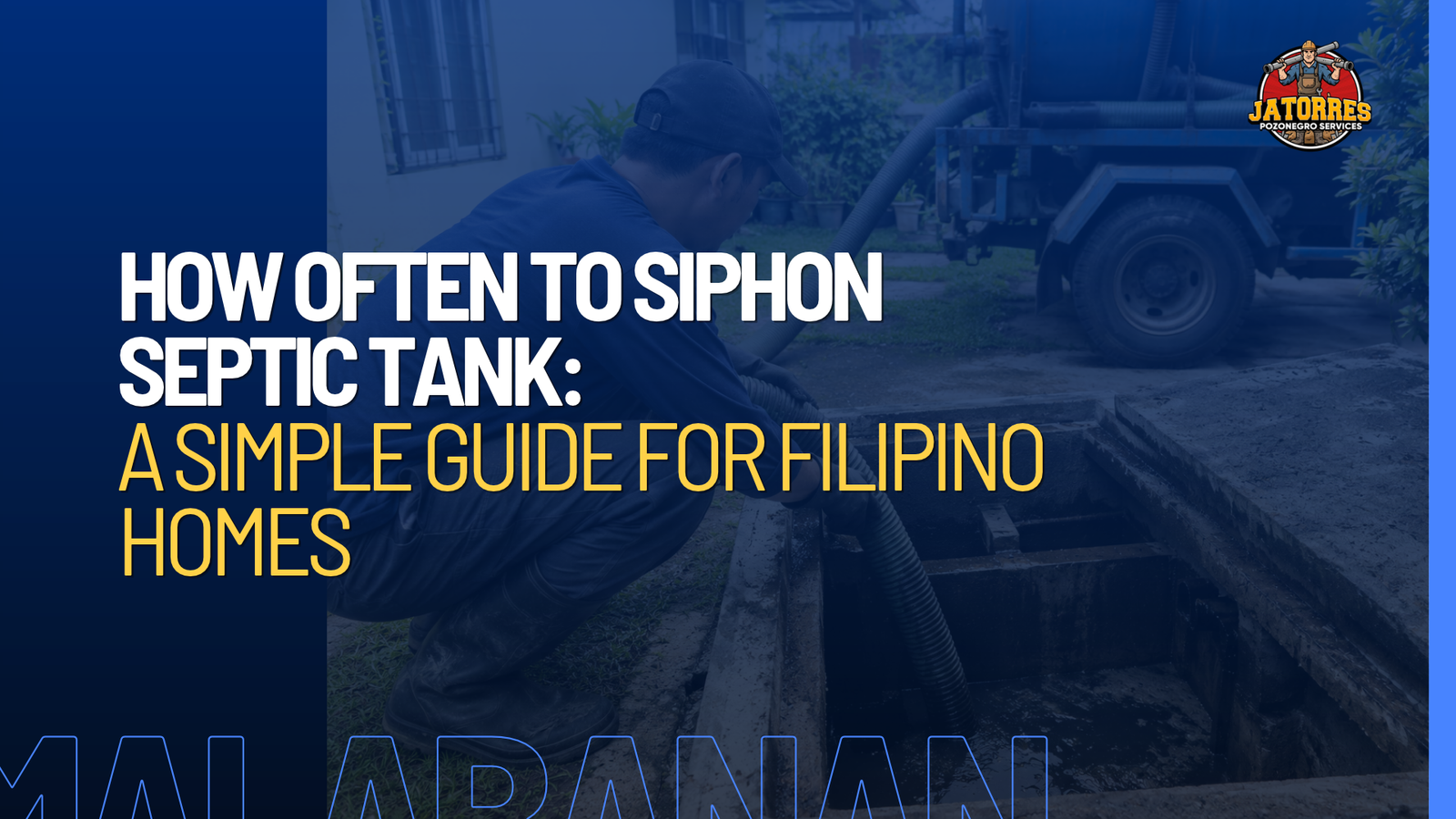
Septic tank siphoning is the process of removing accumulated sludge, waste materials, and other contents from a septic tank using specialized equipment. Over time, solid waste settles at the bottom of the tank while lighter materials form layers near the surface.
Although septic tanks are designed to separate and partially treat wastewater, they are not designed to store waste permanently. As solids continue to build up, the available space inside the tank becomes limited, reducing its ability to function efficiently.
During professional siphoning, trained technicians use proper equipment to safely remove the buildup inside the tank. This helps restore capacity and allows the septic system to continue handling wastewater effectively.
The process is an essential part of septic maintenance because neglecting the tank for too long can lead to problems such as slow drainage, unpleasant smells, and wastewater overflow.
According to the United States Environmental Protection Agency (EPA), regular septic system maintenance helps protect public health, prevent system failures, and extend the lifespan of septic components.
How Often Should You Schedule Septic Tank Siphoning?
There is no single schedule that works for every property. The ideal frequency for septic tank siphoning depends on several conditions that affect how quickly waste accumulates.
In general, many households schedule septic tank cleaning every 2 to 5 years, but this can vary depending on usage.
Factors that influence the schedule include:
- Number of people living in the property
- Size of the septic tank
- Amount of wastewater produced
- Frequency of laundry and water usage
- Amount of solid waste entering the system
- Age and condition of the septic system
A small household with careful water usage may need less frequent service, while a larger household or commercial property may require more regular maintenance.
Waiting until a problem occurs is often a costly mistake. By scheduling maintenance before the tank becomes overloaded, homeowners can reduce the risk of backups and keep their septic system operating properly.
Factors That Affect Septic Tank Siphoning Frequency
Household Size
The number of people using a property directly affects how quickly a septic tank fills. A home with more residents naturally produces more wastewater and solid waste.
For example, a household of two people may generate significantly less waste compared to a home with six or more occupants. Because of this difference, larger households often need more frequent septic tank siphoning.
Monitoring usage patterns can help determine the right maintenance schedule. If a property regularly experiences heavy water usage, professional inspection may be needed more often.
Water Consumption Habits
Water usage plays an important role in septic system performance. Excessive water entering the tank can reduce the time available for proper separation and treatment.
Common activities that increase water usage include:
- Frequent laundry cycles
- Long showers
- Multiple bathroom users
- High-volume cleaning activities
Managing water consumption helps reduce strain on the septic system. However, even with responsible usage, solids will continue accumulating and eventually require professional removal.
Septic Tank Size
The capacity of your septic tank also affects how often maintenance is needed. Larger tanks can typically hold more waste before requiring cleaning, while smaller tanks may reach capacity faster.
If you are unsure about your septic tank size or maintenance requirements, professional technicians can assess your system and recommend an appropriate schedule.
Type of Property
Residential and commercial properties have different wastewater demands.
Homes usually have predictable usage patterns, while commercial properties may experience higher and more consistent wastewater production.
Restaurants, offices, rental properties, and other high-traffic locations may require more frequent septic tank siphoning to prevent system problems.
For property owners who need dependable septic solutions, checking available septic tank services can help identify the right maintenance option based on their specific needs.
Warning Signs Your Septic Tank Needs Siphoning
Even with regular maintenance, homeowners should know the warning signs that indicate their septic tank may already need attention.
Slow Draining Fixtures
One of the earliest signs of septic problems is slow drainage. When wastewater cannot move efficiently through the system, sinks, toilets, and drains may begin operating slower than usual.
This often indicates that the tank may be reaching capacity or that the system requires professional inspection.
Unpleasant Odors
Strong sewage smells around your property can indicate that waste is no longer being properly contained.
A healthy septic system should not produce strong odors around your home. If you notice unusual smells near drainage areas or the septic tank location, scheduling professional maintenance is recommended.
Wastewater Backups
One of the most serious warning signs is wastewater backing up into toilets, drains, or surrounding areas.
This situation can create sanitation risks and property damage. Regular septic tank siphoning helps prevent these issues by removing accumulated waste before the system becomes overwhelmed.
Pooling Water Near the Septic Area
Standing water near the septic tank or drain field may indicate that wastewater is not being absorbed properly.
This can happen when the system becomes overloaded or when maintenance has been delayed for too long.
Benefits of Regular Septic Tank Siphoning
Prevents Expensive Repairs
Ignoring septic maintenance can lead to larger problems that require costly solutions. Regular cleaning helps identify potential issues early and prevents severe system failures.
Protects Property Hygiene
A properly maintained septic system helps prevent wastewater leaks, unpleasant odors, and unsanitary conditions.
Extends Septic System Lifespan
Regular maintenance reduces stress on septic components and helps the system operate efficiently for a longer period.
Improves System Performance
Removing accumulated solids allows the septic tank to function properly and handle wastewater more effectively.
How to Maintain Your Septic System Between Siphoning Services
While professional septic tank siphoning is necessary, homeowners can also take steps to support their septic system.
Helpful practices include:
- Avoid flushing non-biodegradable materials
- Reduce unnecessary water usage
- Avoid pouring harmful chemicals into drains
- Keep records of maintenance schedules
- Monitor signs of system problems
Simple daily habits can reduce stress on your septic system and help prevent avoidable issues.
Why Professional Septic Tank Siphoning Is Important
Some property owners may consider handling septic maintenance themselves, but professional service provides important advantages.
Experienced technicians have the proper equipment and knowledge to safely remove waste while minimizing risks. They can also identify possible issues that may not be visible to homeowners.
Professional maintenance ensures the job is completed properly while helping protect your property and surrounding environment.
Conclusion
Regular septic tank siphoning is an essential part of maintaining a safe and functional septic system. While the ideal schedule depends on household size, tank capacity, and usage habits, most properties benefit from routine inspections and professional cleaning every few years.
Waiting until backups, odors, or drainage problems appear can lead to unnecessary stress and expensive repairs. Preventive maintenance allows homeowners and businesses to protect their properties while keeping their septic systems working efficiently.
By scheduling professional septic maintenance at the right time and following proper care practices, you can avoid major problems and enjoy a cleaner, healthier property.
Frequently Asked Questions
How often should septic tank siphoning be done?
Most septic tanks require cleaning every 2 to 5 years, but the exact schedule depends on tank size, household usage, and waste production.
What happens if I delay septic tank siphoning?
Delaying maintenance can cause waste buildup, slow drainage, bad odors, wastewater backups, and possible system damage.
How do I know my septic tank is full?
Common signs include slow drains, unpleasant smells, pooling water, and wastewater backups.
Is septic tank siphoning necessary if there are no problems?
Yes. Preventive maintenance helps avoid future problems and keeps the septic system working efficiently.
Can I clean my septic tank myself?
Professional septic maintenance is recommended because proper equipment and safety procedures are required for effective waste removal.