Plumbing Maintenance Checklist is one of the most valuable resources homeowners and property managers can use to keep their plumbing system in excellent condition. While many people only think about plumbing when something goes wrong, routine maintenance helps identify small issues before they become expensive emergencies.
Leaks, clogged drains, overflowing septic tanks, and damaged pipes often develop gradually. Without regular inspections, these problems can lead to water damage, unpleasant odors, slow drainage, and costly repairs. A simple maintenance routine helps extend the life of your plumbing system while ensuring everything operates efficiently throughout the year.
Whether you own a residential home, commercial establishment, or rental property, following a practical Plumbing Maintenance Checklist can reduce unexpected breakdowns and improve overall sanitation. If you discover drainage or septic issues during your inspection, Malabanan Siphoning Philippines provides professional septic tank siphoning, drain cleaning, declogging, and related plumbing services across the Philippines.
Why Regular Plumbing Maintenance Matters
Routine plumbing maintenance is about more than fixing leaks. It protects your property; conserves water and helps prevent health hazards caused by wastewater backups or damaged drainage systems.
Ignoring small plumbing issues may result in:
- Expensive emergency repairs
- Higher water bills
- Slow drainage
- Pipe damage
- Sewage backups
- Unpleasant odors
- Property damage
The Philippine Department of Health (DOH) encourages proper sanitation and wastewater management to protect public health. Learn more at:
Preventive maintenance helps reduce these risks while extending the lifespan of your plumbing system.
Your Plumbing Maintenance Checklist
Following this Plumbing Maintenance Checklist every few months helps identify potential issues before they become major problems.
1. Check for Visible Water Leaks
Inspect faucets, exposed pipes, sinks, toilets, and outdoor plumbing fixtures.
Look for:
- Water stains
- Damp walls
- Dripping faucets
- Moisture under sinks
- Rust around pipe joints
Even small leaks can waste significant amounts of water over time.
2. Test Drainage Speed
Slow drains often indicate developing clogs.
Run water through:
- Bathroom sinks
- Kitchen sinks
- Showers
- Floor drains
If water drains slowly, professional drain cleaning may be needed before a complete blockage develops.
3. Inspect Toilets for Proper Flushing
Toilets should flush completely without repeated attempts.
Watch for:
- Weak flushing
- Continuous running water
- Slow refilling
- Water around the toilet base
These signs may indicate internal component wear or drainage problems.
4. Look for Signs of Drain Clogs
Minor clogs can become serious if ignored.
Warning signs include:
- Gurgling sounds
- Slow drainage
- Water backing up
- Foul odors
Professional declogging helps restore proper wastewater flow before pipes become completely blocked.
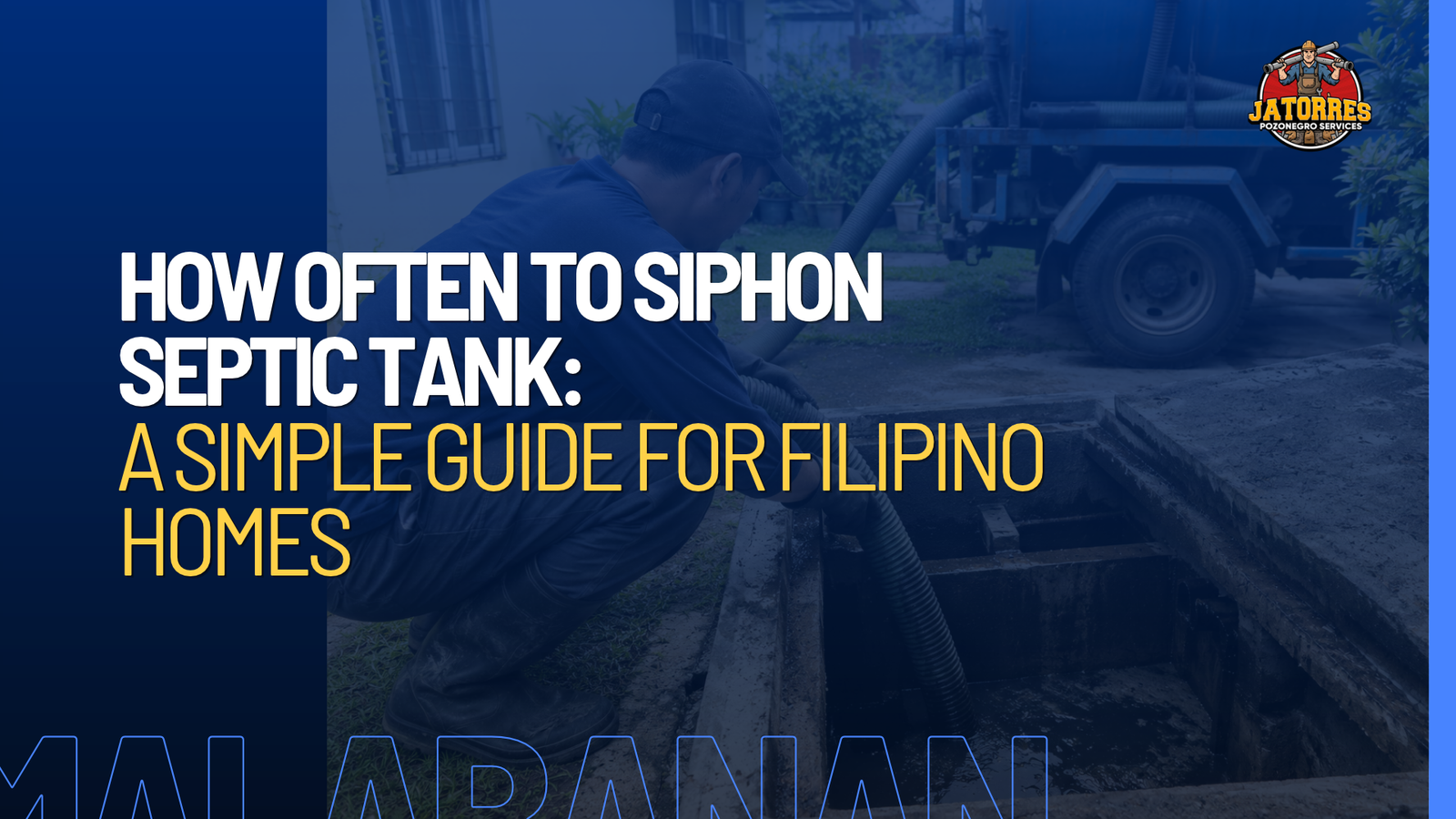
5. Monitor Your Septic Tank
One important part of any Plumbing Maintenance Checklist is checking your septic system.
Watch for:
- Strong sewage odors
- Overflowing wastewater
- Standing water near the septic tank
- Multiple slow drains
These symptoms often indicate that the septic tank requires professional siphoning.
6. Check Outdoor Drainage Areas
Outdoor drainage should remain free of leaves, soil, and debris.
Blocked outdoor drains may cause flooding during heavy rainfall.
Keeping drainage areas clean improves water flow and reduces the risk of backups.
7. Inspect Pipe Connections
Loose or corroded pipe joints may eventually leak.
Check exposed plumbing for:
- Rust
- Corrosion
- Mineral buildup
- Loose fittings
Early repairs prevent larger plumbing failures.
8. Avoid Improper Waste Disposal
Many plumbing problems begin because inappropriate materials enter the drainage system.
Avoid disposing of:
- Cooking grease
- Food scraps
- Wet wipes
- Sanitary products
- Paper towels
- Chemicals
These materials contribute to drain blockages and septic tank problems.
9. Schedule Regular Septic Tank Siphoning
Septic tanks naturally accumulate sludge over time.
Routine siphoning helps:
- Prevent overflows
- Improve drainage
- Reduce odors
- Extend septic system lifespan
If your property requires maintenance, explore the professional services offered by Malabanan Siphoning Philippines.
10. Listen for Unusual Plumbing Sounds
Strange noises often indicate developing issues.
Pay attention to:
- Gurgling drains
- Bubbling toilets
- Knocking pipes
- Hissing sounds
These may signal blockages or trapped air within the plumbing system.
11. Monitor Water Pressure
Extremely high or low water pressure may indicate hidden plumbing problems.
Consistent pressure helps reduce unnecessary stress on pipes and fixtures.
If pressure changes suddenly, further inspection may be necessary.
12. Schedule Professional Plumbing Inspections
Even when everything appears to function normally, routine inspections can identify hidden issues before they become emergencies.
Professional inspections often reveal:
- Hidden leaks
- Pipe deterioration
- Drainage restrictions
- Septic system concerns
Preventive maintenance saves money compared to emergency repairs.
Common Plumbing Problems This Checklist Can Help Prevent
Following a regular Plumbing Maintenance Checklist helps reduce the likelihood of:
- Drain blockages
- Overflowing septic tanks
- Pipe leaks
- Slow drainage
- Bad odors
- Sewage backups
- Property water damage
Addressing these issues early minimizes repair costs and prevents disruption to your daily routine.
When Should You Call a Professional?
While basic inspections can be performed by homeowners, professional assistance is recommended if you notice:
- Multiple clogged drains
- Sewage backing up into sinks or toilets
- Persistent foul odors
- Standing wastewater
- Slow drainage throughout the property
- Overflowing septic tanks
Prompt service helps prevent more extensive plumbing damage.
The U.S. Environmental Protection Agency (EPA) also recommends routine septic system maintenance to protect both property and the environment:
Why Preventive Maintenance Is Worth the Investment
Many emergency plumbing situations develop after months—or even years—of neglected maintenance.
Following a regular Plumbing Maintenance Checklist offers several benefits:
- Lower repair costs
- Longer plumbing system lifespan
- Improved sanitation
- Better drainage performance
- Reduced risk of unexpected emergencies
- Greater peace of mind
Preventive maintenance is almost always more affordable than repairing major plumbing failures.
Conclusion
A well-planned Plumbing Maintenance Checklist helps homeowners and business owners protect their plumbing systems from unnecessary damage and costly repairs. Regular inspections, responsible waste disposal, drain maintenance, and timely septic tank siphoning all contribute to a safer and more efficient property.
If you notice slow drains, sewage odors, recurring clogs, or signs of a full septic tank, professional assistance can prevent the problem from becoming more serious.
For dependable septic tank siphoning, drain cleaning, declogging, and other plumbing solutions, trust Malabanan Siphoning Philippines. Their experienced team provides reliable services to help keep your plumbing and drainage systems operating at their best.
Frequently Asked Questions
What is a Plumbing Maintenance Checklist?
A Plumbing Maintenance Checklist is a routine inspection guide that helps identify plumbing issues before they become costly repairs.
How often should I inspect my plumbing system?
Basic inspections should be performed every few months, while professional inspections and septic tank maintenance should follow a schedule appropriate for your property’s usage.
Why is septic tank maintenance included in a Plumbing Maintenance Checklist?
A properly maintained septic tank helps prevent sewage backups, unpleasant odors, and drainage issues that can affect the entire plumbing system.
Can regular maintenance prevent clogged drains?
Yes. Routine inspections, proper waste disposal, and professional drain cleaning significantly reduce the risk of major blockages.
When should I contact a plumbing professional?
You should seek professional assistance if you experience recurring clogs, multiple slow drains, sewage backups, strong odors, or signs that your septic tank requires siphoning.